Compare a weapon in combat, not in Backpack alone
Forge one weapon and read the whole card. Equip it, then take it to a stage you already know. Compare the clear time with your old weapon and pay attention to how its skill handles the fight. Keep it when it does the job better.
This keeps you from chasing card colors or assuming the larger displayed number always wins. The weapon’s skill still has to work in a real fight.
How weapons enter your build
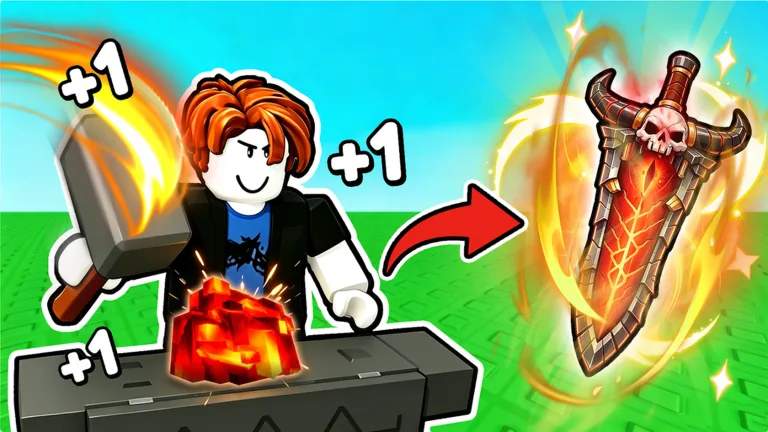
Dungeon enemies provide ore pickups. At the Forge, select Weapon as the equipment target, choose the ore you intend to commit, inspect the current preview, and confirm. The completed weapon moves to Backpack for comparison and equipping.
An old material combination is not a guaranteed recipe. Check the current Forge for its recipe details, probabilities, and rarity information before every attempt.
Read the whole weapon card
Use the weapon card in this order:
| Card detail | What it answers | What it cannot prove alone |
|---|---|---|
| Power or main value | How the item presents its basic strength | Actual clear speed in every encounter |
| Effect text | What special behavior belongs to the item | Whether the effect fits your current stage |
| Skill description | What the active attack is meant to do | Range and timing until you test it |
| Card color | That items have visual tier differences | A complete rarity ladder or best-weapon ranking |
Weapon cards can describe consecutive slashes or damage to multiple enemies in range. That gives a weapon an identity beyond raw power, but the current card still decides its skill and percentage.
Test the active skill
Weapon skills appear on the combat HUD and display a cooldown after use. Test a new skill deliberately:
- Enter a manageable stage with a familiar enemy group.
- Use basic attacks first so you know the normal pace.
- Group enemies only when it is safe.
- Activate the skill and watch which enemies it reaches.
- Note whether the skill locks you in place or changes positioning.
- Watch the cooldown and decide whether it returns within the same wave.
- Repeat once before judging the result.
An area effect can carry a crowded wave without doing much for a single tough enemy. Consecutive strikes suit a different fight. Let the stage decide which one you bring.
Use cooldowns as part of the route
A strong skill used at the wrong moment can leave you without it when the dangerous group arrives. On a familiar stage, identify which wave or enemy creates the most pressure. Save the skill for that point, then use basic attacks and movement during the cooldown.
Watch the button rather than guessing a duration. Exact cooldown values belong to the current item and build. If the skill returns before the next pressure point, it fits the route. If it stays unavailable, either change the activation point or compare another weapon.
Position changes the result. A range-based effect needs enemies close together, but not so close that they surround you. A sequence of slashes needs a target that stays in reach. Set up the group before you press the skill instead of firing it at the first enemy you see.
Compare with one controlled encounter
Testing on a brand-new stage creates too many variables. Use an enemy group you cleared with the old weapon. Keep armor and training state unchanged, then compare:
- time needed to finish the group;
- health lost while attacking;
- number of skill uses available;
- ease of reaching targets;
- whether the weapon prevents enemies from surrounding you.
If the new result wins only because your Power changed between tests, repeat after returning to the same state. The goal is not laboratory precision; it is a decision you can trust.
Match weapon choice to the failure
| Combat problem | Weapon question |
|---|---|
| One durable enemy takes too long | Does the main value and skill improve sustained single-target pressure? |
| Several enemies surround you | Does the skill reach multiple targets or create room to move? |
| You take damage while attacking | Is the attack pattern keeping you in danger too long? |
| The skill is always unavailable | Are you using it too early, or does another weapon fit the wave timing better? |
| A stronger card feels worse | Did you lose a useful effect or skill role? |
The stage decides the winner, not the card that looks most impressive in Backpack.
When to keep two weapons
Keep an alternative when it has a clearly different use. One weapon can handle scattered enemies with basic attacks, while another skill can help against dense waves. Label that purpose mentally before giving up Backpack space.
Sell the alternative if it loses the direct comparison and offers no distinct skill role. Check its current return in Sell before you confirm, since values can change.
Before selling the old weapon, equip the new winner and reopen Backpack to confirm the slot changed. Then test one more wave. This extra check protects against selling the weapon you meant to keep or mistaking an inventory card for the equipped item.
When weapon forging should stop
Stop spending ore when the equipped weapon clears the intended stage comfortably and another system is now blocking progress. Train when Power is too low. Target armor when you deal enough damage but cannot survive. Upgrade ore capacity when productive runs end because the carry counter fills early.
Repeated weapon forging can burn ore without moving you forward. Give each attempt a specific problem to solve.
Avoid unsupported weapon claims
Use the live game for details that can change:
- current item stats and skill percentages;
- skill cooldown duration;
- ore recipe or material requirement;
- forge probability;
- rarity name and order;
- best weapon for a specific update;
- enhancement or enchantment behavior.
If a card or panel does not show the consequence clearly, cancel and keep the item until you can verify it.
FAQ
How do I forge a weapon?
Select Weapon at the Forge, choose the ore you intend to spend, read the current preview, confirm, then open Backpack to inspect the result.
What makes one weapon better than another?
Compare the full card, active skill, cooldown behavior, and performance against the same familiar encounter.
Do all weapons have active skills?
Some weapons have visible active skills. Read the current card instead of assuming every weapon follows the same rule.
What is the best weapon?
No permanent best weapon is verified. Choose the weapon that improves your current stage test and supplies the role your build lacks.
Should I sell my old weapon immediately?
Keep it until the new result wins a controlled test or the old weapon has no distinct role you still need.